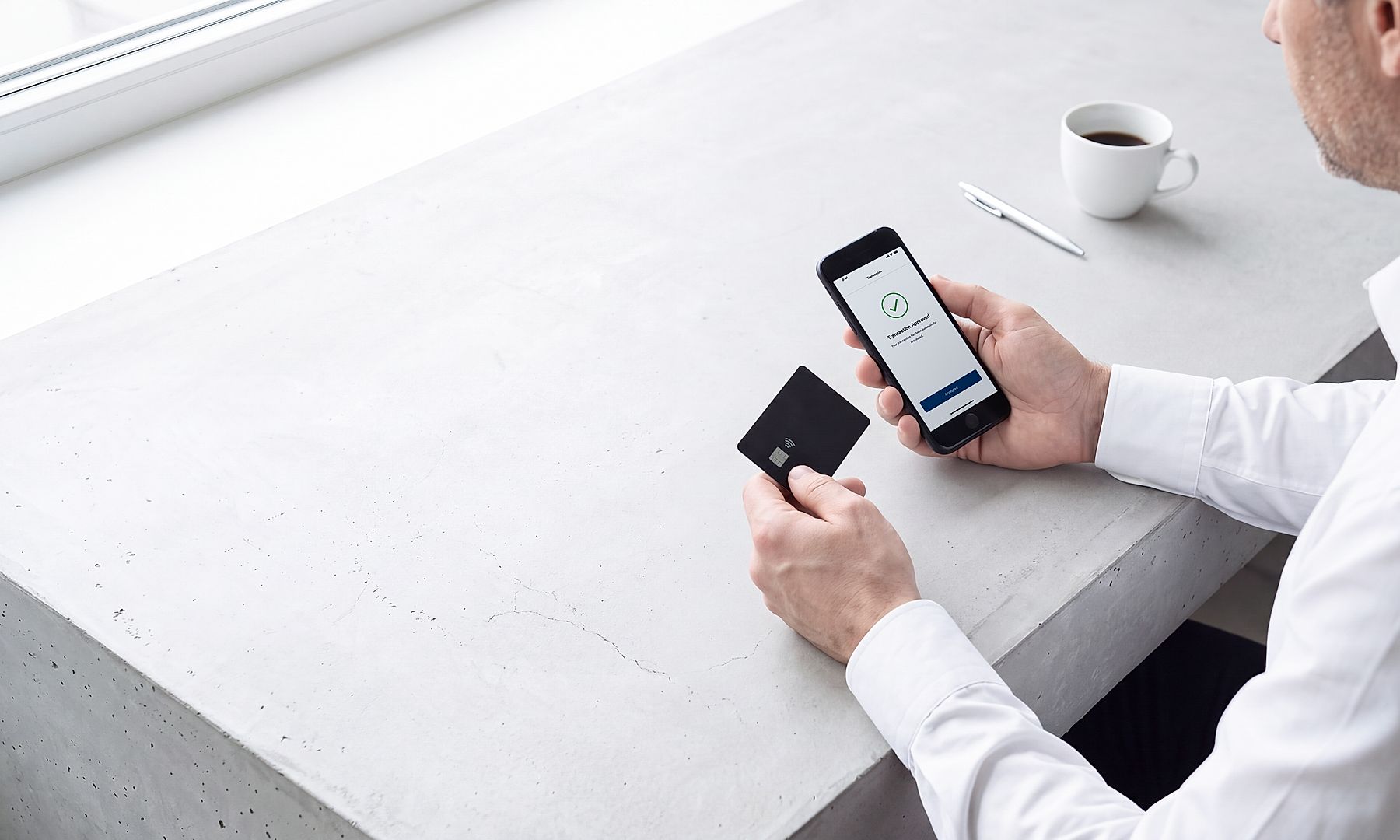
Goodbye passwords, hello wallets
The European Digital Identity Framework that came into force in May 2024 promises to transform digital identity by enabling the creation of a universal, trustworthy, and secure digital identity wallet. As part of the eIDAS initiative and regulation by 2026, each member state must provide at least one wallet to all its citizens, residents and businesses allowing them to prove who they are in a digital world. But digital wallets go much further by empowering people to take control of their personal data, to store and share important digital documents and electronically sign or seal documents. In practice, EU digital identity wallets offer many benefits, including:
- Improved user control – citizens can choose which aspects of their identity and data to share with third parties, tightening control over personal information
- Universal acceptance – wallets offer a user-friendly interface for people to manage their identity across a range of companies, institutions and other services
- Enhanced fraud prevention – by providing a secure and verifiable means of identity, fraud levels are reduced, and people are more confident to participate fully in the digital world
- Reduced cost of authentication – by streamlining, simplifying and automating verification processes.
- Increased innovation – greater adoption of online services will create new business opportunities and boost economic growth
This list of benefits is not exhaustive, but it does confirm the direction of travel. So how do digital wallets work?
Personal data wallets – a model blockchain application
At the heart of digital identity wallets is the notion of self-sovereign identity (SSI), a decentralised identity model that is rapidly replacing the federated model used by Google, Facebook and many other incumbent identity providers.
As a decentralized identity framework, every user receives signed credentials from a range of trusted providers, for example a government department, employer or financial institutions and these are stored in the digital wallet. The user can present proof of identity to any organization that requests it, and these proofs are verified on the blockchain-based ledger.
With an SSI solution, personal information does not reside on the ledger but within a wallet managed by the user. In this way users have total control over their digital identity and personal data. A user is free to choose what personal information is shared with which parties, when and how. An SSI solution addresses several privacy and security challenges associated with traditional identity systems, where personal information is stored in a centralized database vulnerable to theft and misuse.
GFT has designed and developed a solution, the GFT Personal Wallet (PDW), that combines SSI with the power of blockchain, crypto tokens and smart contracts to provide a number of innovative solutions in the area of digital identity. With these modern technologies, data can be securely managed, controlled and shared, for improving existing services or enabling new ones, ensuring the compliance with GDPR requirements by design.